visualizing growing urbanism
X
growth and decomposition rates become as critical as R-values and ROI
Location: Los Angeles, CA
Date: Summer 2020
Description: Entry in the warming 2020 competition.
As the inevitability of our global carbon overshoot has become clear scientists have released studies for means to draw down carbon from the atmosphere. These massive undertakings required for removal of carbon from our atmosphere will be an effort similar to the shift to a war time footing in the Great Depression. If this build out is undertaken thoughtfully
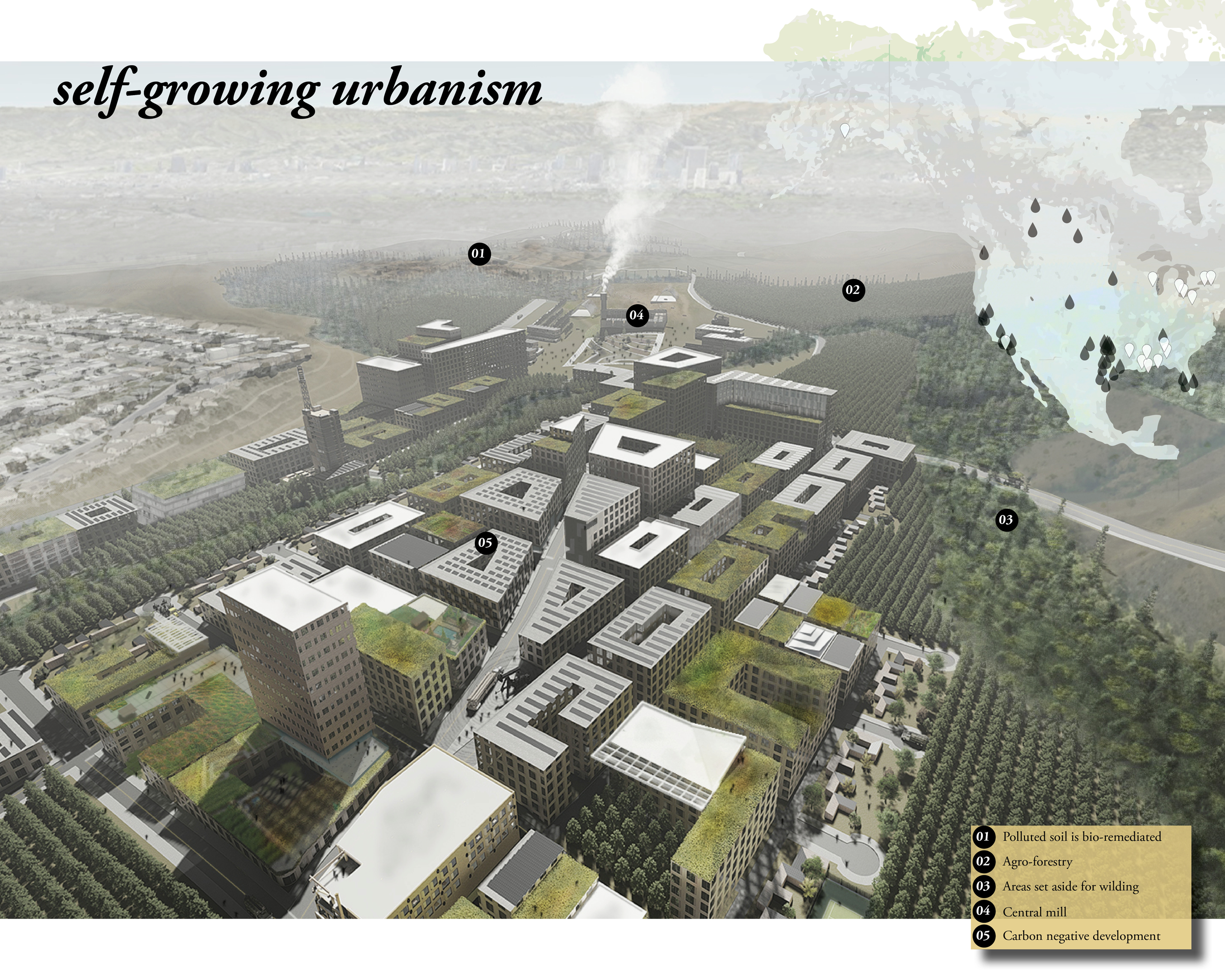
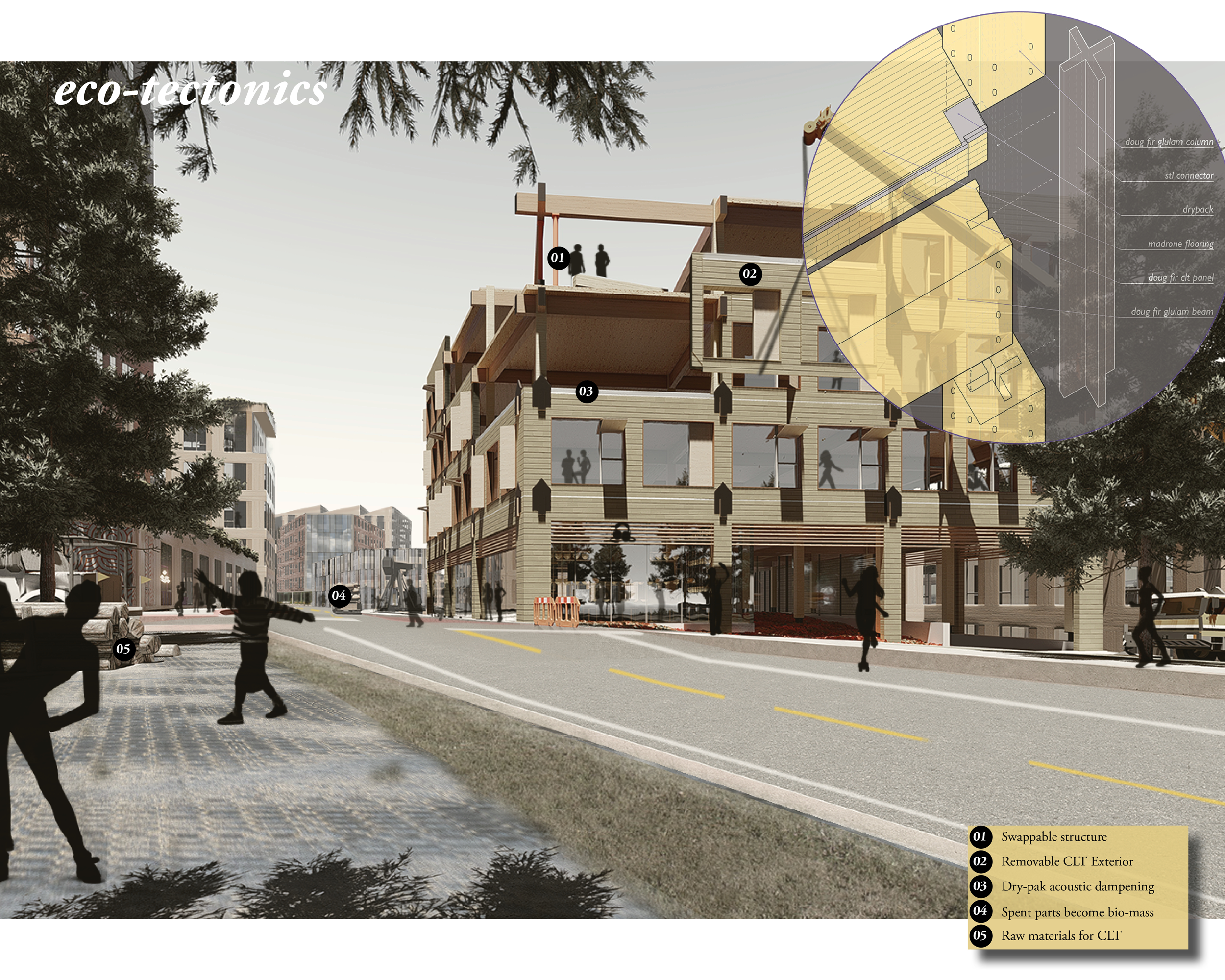
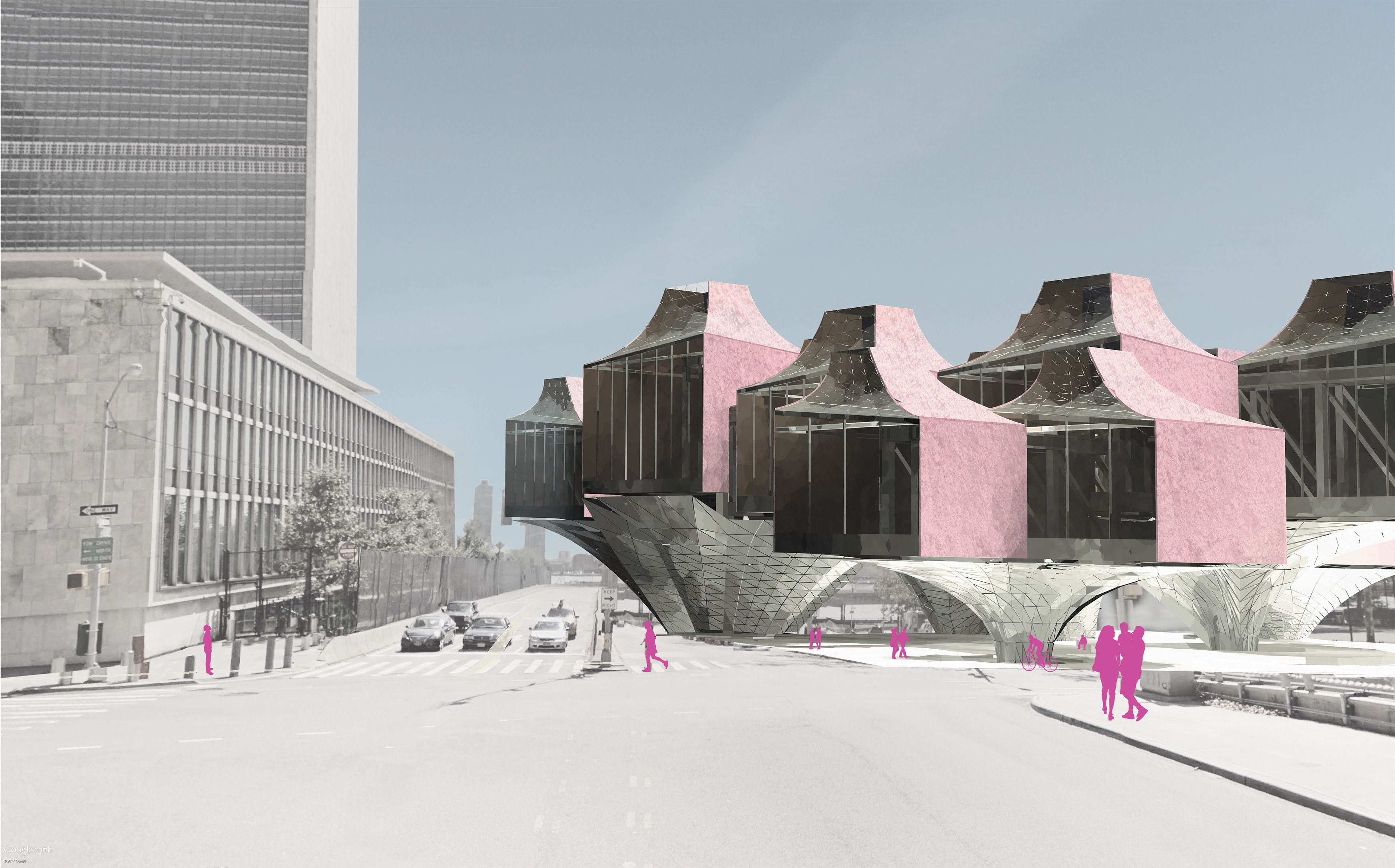
regions around this investment can benefit both economically and in quality of life like following WWII. Designers need to embed themselves in these discussions to find ways to turn these new infrastructural and societal changes into better ways of living for not just the globe but also for those who tend to and live around the systems. This proposal shows one possible future: An agroforested urbanism characterized by net negative carbon development, bioremediation of sites of original extraction, and planned discrete obsolescence.
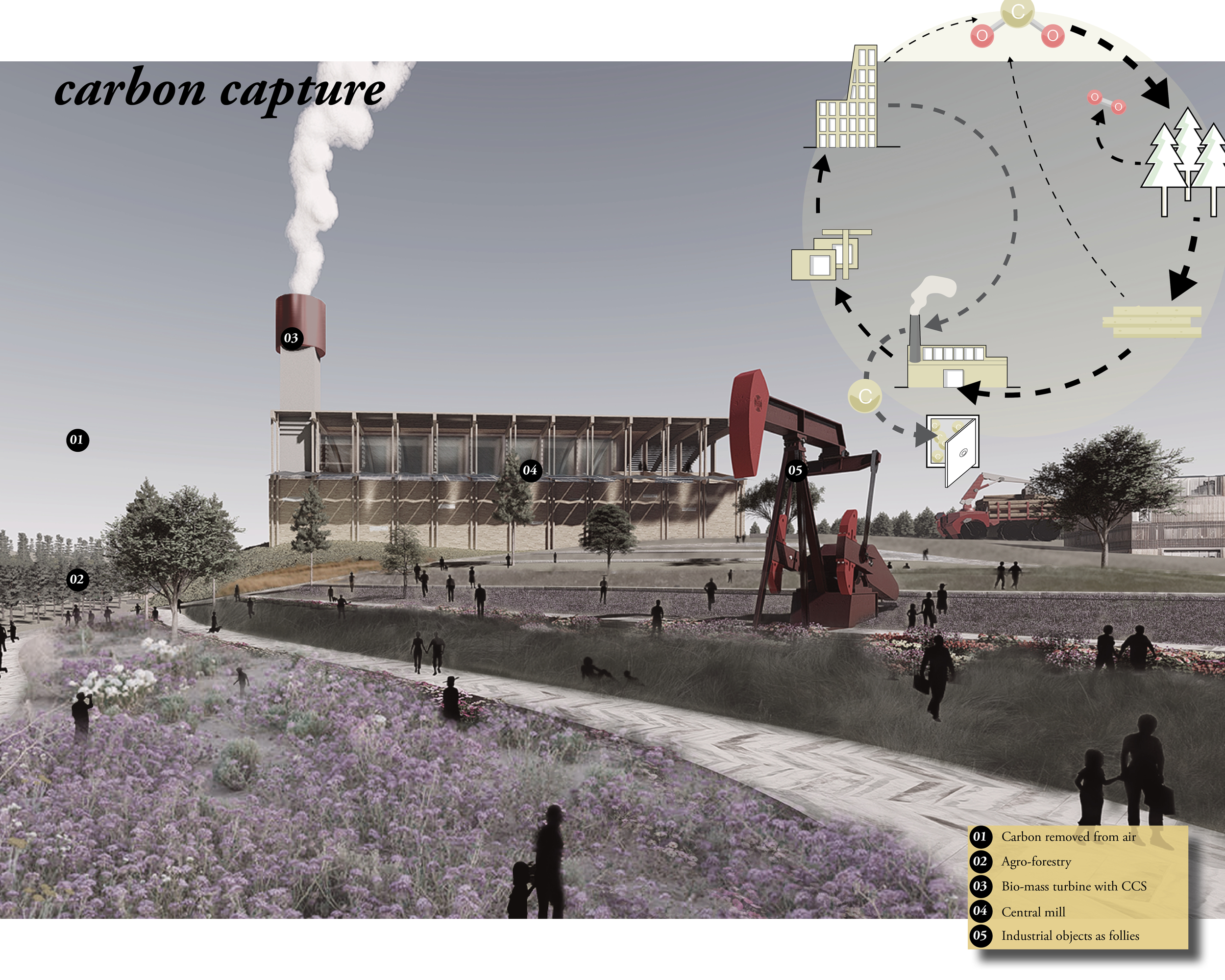
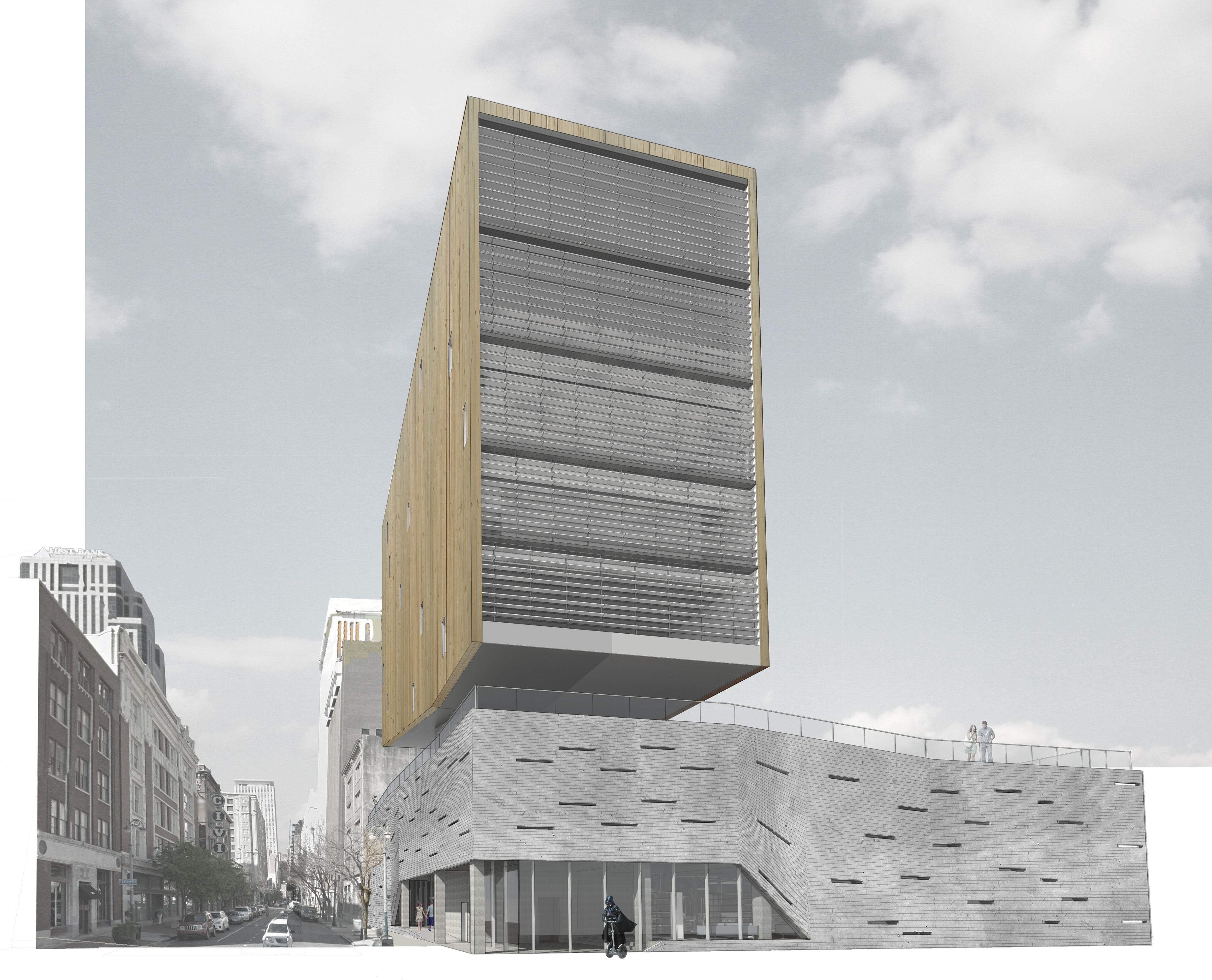
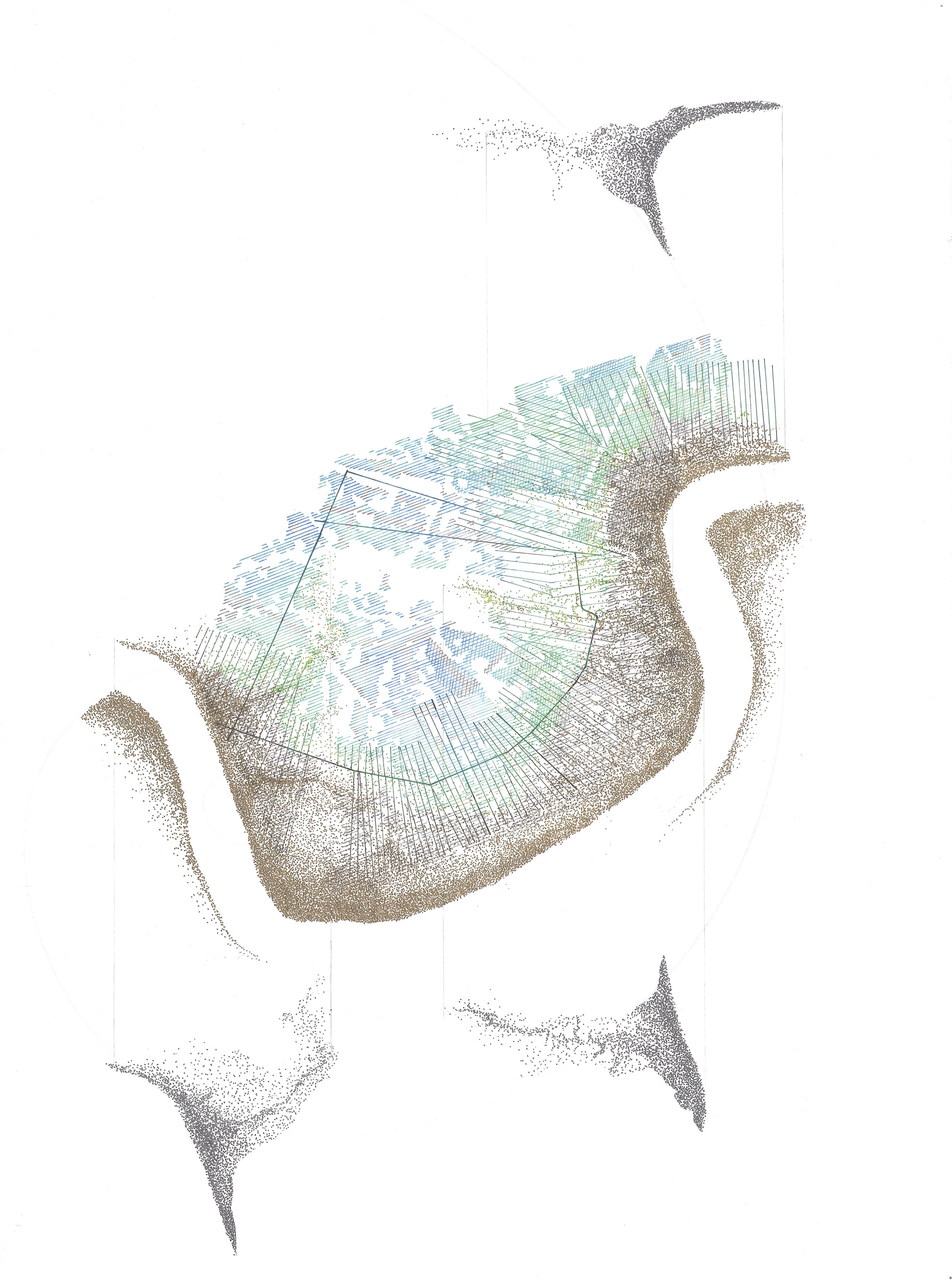
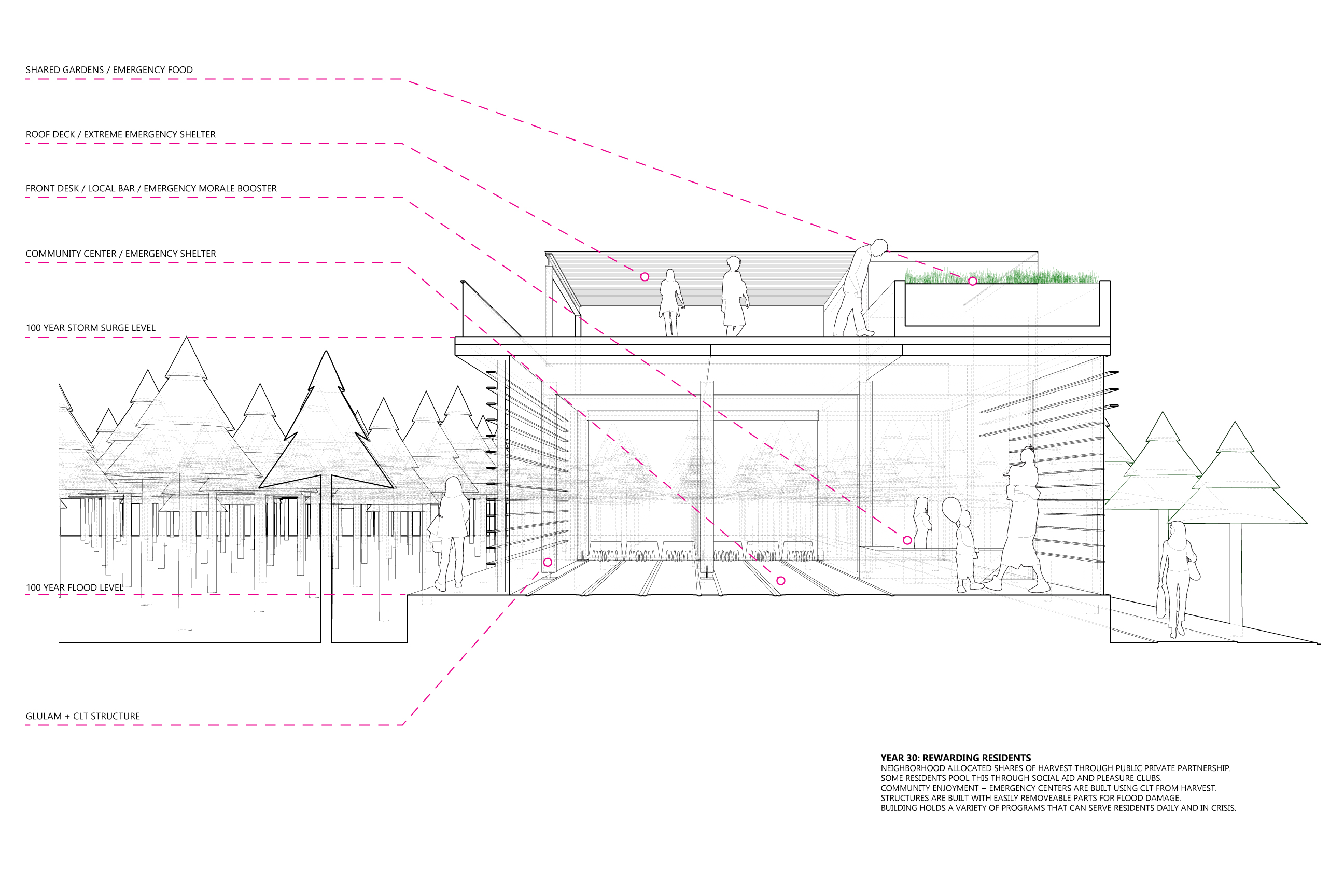
In urban areas across the world there are already thousands of acres of city set aside for the extraction and processing of oil, gas and coal. Large swaths of land in North American cities struggling with affordability like Calgary, New Orleans, Houston, Los Angeles, and Oakland are set aside for the infrastructure of extraction that endangers the future of the city itself with extreme weather events. As the carbon economy begins to transition to renewables the world is left with these tainted lands. Through bioremediation the soil and land can be turned safe for habitation; coupled with CCS carbon can be removed and stored. After a few cycles, building materials can begin to be harvested and new onsite mills can produce mass timber products out of smaller trees such as Glulam, DLT and CLT providing maximum drawdown and income for residents. Through exchange for the storage on the carbon markets of the future we can drawdown and store carbon in vibrant, verdant, and affordable developments on the very sites of original extraction.
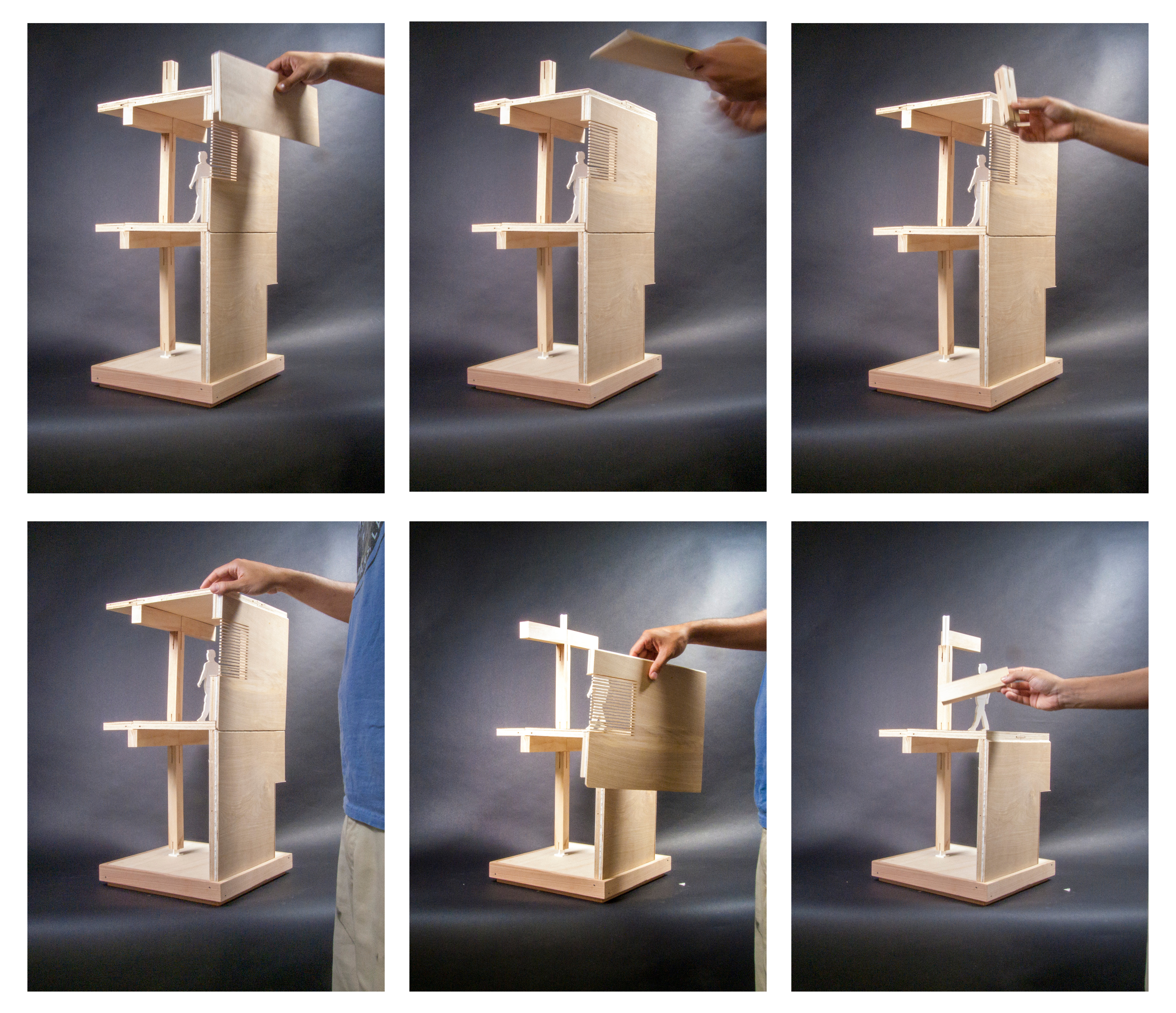
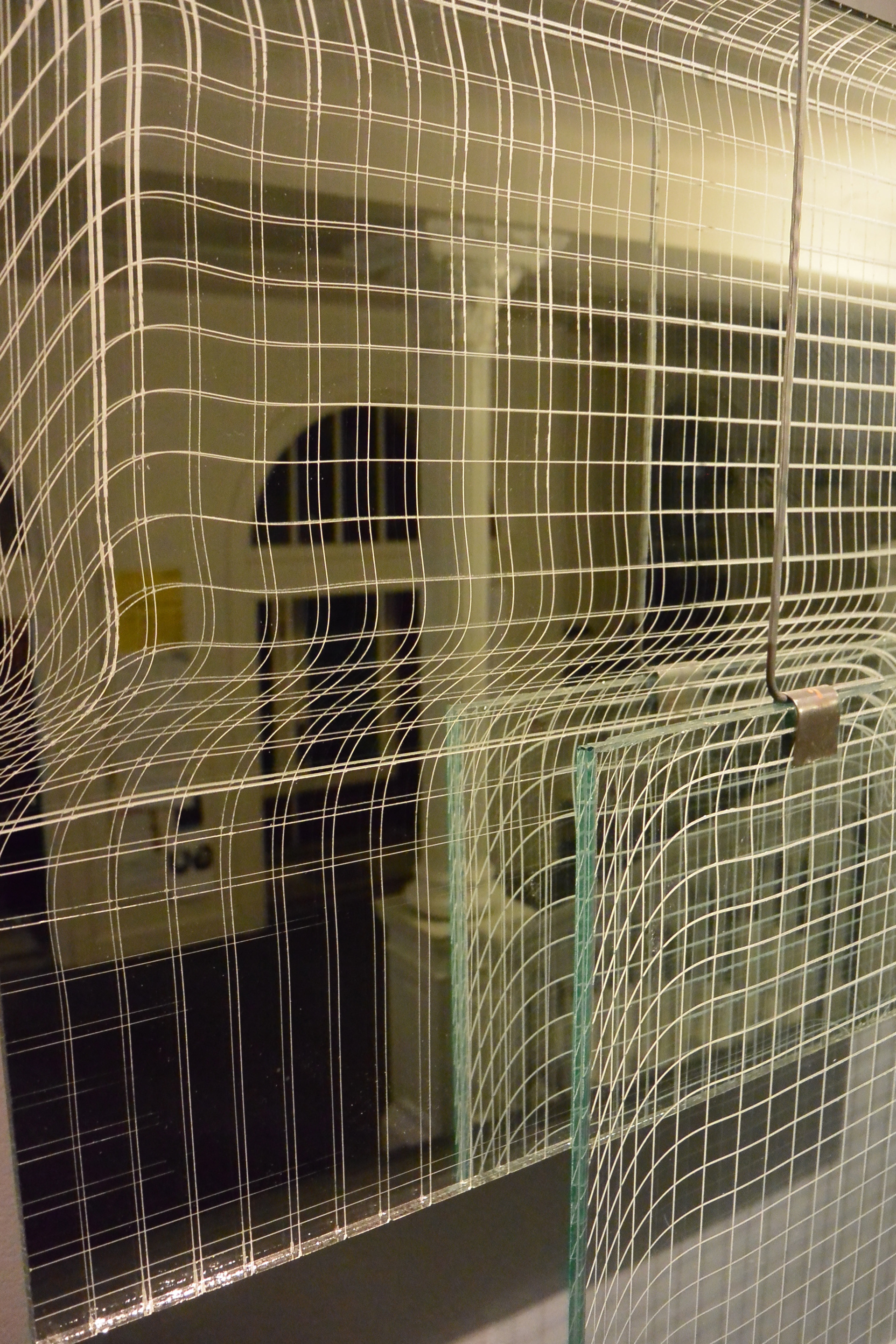
New expressive eco-tectonics emerge in the caps, seams, and covers for these easily disassembled connections. As the architect becomes more entangled in the process of material life cycles our designs and metrics shift, growth and decomposition rates become as critical as R-values. New cultural priorities require new design languages and architecture must begin to shift its aesthetics to maximized positive material impact over minimized negative impact.
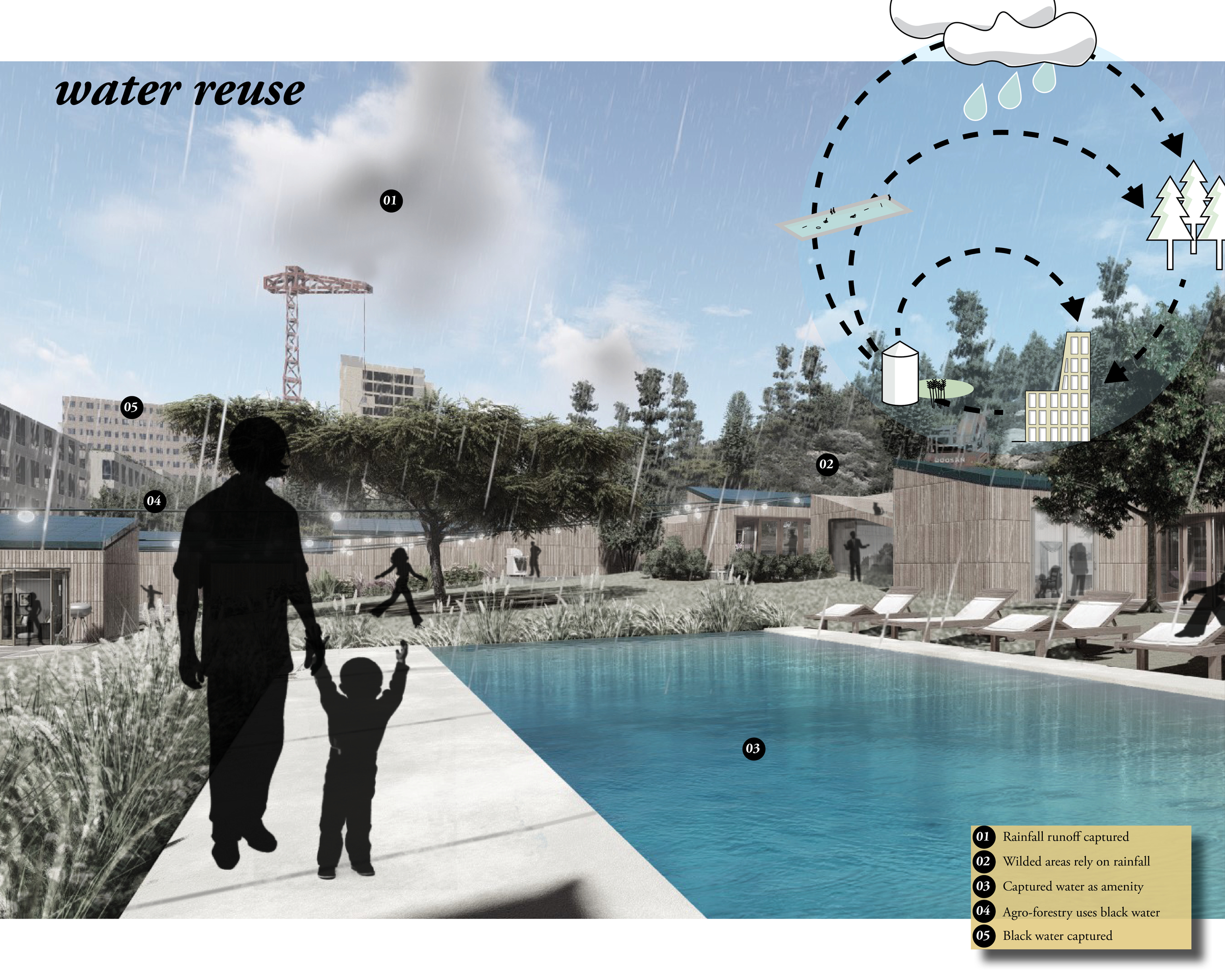
Carbon dioxide from construction affects every part of our biosphere but stopping development is not the answer in a world with populations struggling for access to basic human necessities. More entangled and thoughtful development is the only way forward. Mass timber, CCS and planned discrete obsolescence can create developments that remediate the global and local damage of their past while creating beautiful neighborhoods filled warm timber buildings, surrounded by bird song and wild life in resident employing agro-forestry, further laced with stands of wilded areas full of reestablished local flora and fauna. Buildings are a designed phase in a materials arc from start to end and all parts of the arc need to be engaged with and explored to continue conditions needed for the joy of human life.